Addressing Commercial Pest Issues in the San Fernando Valley
The San Fernando
Valley is known for its vibrant commercial sector, but with it comes the
challenge of pest infestations. Businesses operating in this area often
encounter various pest control services in The San Fernando Valley including
rodents, cockroaches, and bed bugs. These pests not only pose health risks but
also tarnish the reputation of businesses. In this article, we will delve into
the common commercial pest issues in The San Fernando Valley and provide
effective strategies to address them.
Understanding Commercial Pest Issues:
Commercial
establishments in The San Fernando Valley are susceptible to a range of pests
due to factors such as dense urbanization, favorable climate conditions, and
the presence of food sources. Among the most prevalent pests are rodents,
cockroaches, ants, and flies. These pests not only cause structural damage but
also contaminate food items, leading to potential health hazards for customers
and employees alike.
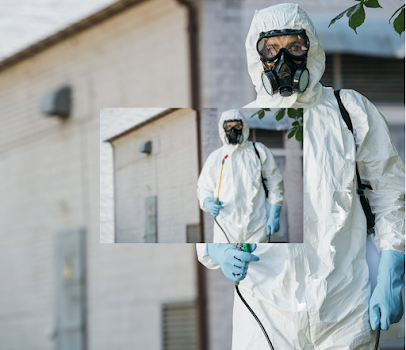 |
| Pest Control Services in The SanFernando Valley |
Common Commercial Pest Issues in The San Fernando Valley:
- Rodents: Rats and mice are
notorious for infesting commercial properties, especially those in the
food industry. They can chew through packaging, contaminate food supplies,
and leave behind droppings, causing sanitation concerns.
- Cockroaches: Cockroach
infestations are common in restaurants, hotels, and food processing
facilities. These resilient pests thrive in warm, humid environments and
can quickly multiply if not addressed promptly.
- Bed Bugs: Hotels, motels, and
rental properties are often plagued by bed bug infestations. These
nocturnal pests feed on human blood and can spread rapidly, causing
discomfort and distress among guests.
- Ants: Ants are attracted to
sugary substances and can infiltrate commercial kitchens, pantries, and
storage areas. Their presence can compromise food safety standards and
lead to product contamination.
Effective Strategies to Address Commercial Pest Issues:
- Integrated Pest Management
(IPM): Implementing an approach is crucial for long-term pest
control in commercial establishments. This strategy involves identifying
pest hotspots, implementing preventive measures, and using targeted
treatments to minimize pesticide usage.
- Regular Inspections: Conducting
routine pest inspections is essential for early detection and prevention
of integrated pest management infestations. Professional pest
control technicians can identify potential entry points, sanitation
issues, and conducive conditions for pests.
- Sanitation Practices:
Maintaining high standards of cleanliness is key to preventing pest
infestations. Proper waste management, regular cleaning of food
preparation areas, and storing food items in sealed containers can deter
pests from infesting commercial properties.
- Exclusion Methods: Sealing
entry points such as cracks, crevices, and gaps in walls, doors, and
windows can prevent pests from entering the premises. Installing door
sweeps, screens, and weather stripping can further fortify the property
against pest intrusion.
- Education and Training:
Educating employees about pest control services in The San Fernando Valley
and implementing training programs on proper sanitation practices can
empower them to identify and report pest issues promptly.
- Collaboration with Pest Control
Professionals: Establishing a partnership with a reputable pest control
company is essential for effective pest management. Experienced
technicians can develop customized treatment plans, provide ongoing
monitoring, and offer valuable insights into preventing future
infestations.
Commercial pest issues
in The San Fernando Valley can have detrimental effects on businesses if left
unaddressed. By implementing proactive pest control services in The SanFernando Valley strategies such as integrated pest management, regular
inspections, sanitation practices, and collaboration with pest control
professionals, businesses can safeguard their reputation, protect their
customers and employees, and ensure a pest-free environment for continued
success. Remember, prevention is always better than cure when it comes to pest
management.



Comments
Post a Comment